Tea brewing times: the complete guide to steeping every tea
Why steep time matters
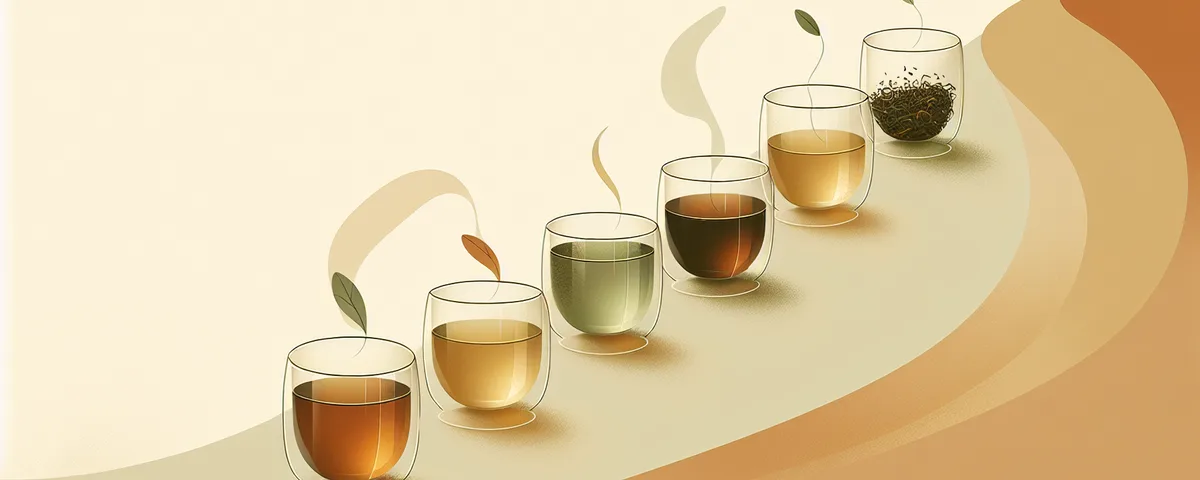
Tea is not coffee. You can't just pour boiling water over leaves and walk away. Every extra minute in the cup changes the flavor. Steep too short and you get tinted water. Steep too long and tannins take over, turning your tea bitter and astringent.
The two variables that matter most are water temperature and steep time. Get both right and the same tea leaves that tasted harsh last week will taste smooth and complex. Get either wrong and even expensive tea will disappoint.
Use a tea timer to track your steep. Once you've nailed the timing for your favorite tea, you'll hit the same flavor every single time.
Green tea: 2 minutes at 175°F / 80°C
Green tea is the most temperature-sensitive. Boiling water scorches the leaves, releasing bitter compounds that overpower the delicate vegetal and sweet notes.
Temperature: 175°F / 80°C. If you don't have a thermometer, boil your water and let it sit for 2-3 minutes before pouring.
Steep time: 1.5-2 minutes for most green teas. Japanese greens like sencha and gyokuro do better at 1-1.5 minutes and even lower temperatures (160°F / 70°C).
Leaf amount: 1 teaspoon per 8 oz cup.
Set your green tea timer and remove the leaves or tea bag the moment it rings. Even 30 extra seconds makes a noticeable difference with green tea.
Black tea: 3-5 minutes at 212°F / 100°C
Black tea is the most forgiving. It can handle boiling water and longer steep times without turning undrinkable. That said, there's still an optimal range.
Temperature: Full boiling, 212°F / 100°C.
Steep time: 3 minutes for a lighter cup, 4-5 minutes for a strong, full-bodied brew. English Breakfast and Earl Grey do well at 4 minutes. Darjeeling is more delicate - try 3 minutes first.
Leaf amount: 1 teaspoon per 8 oz cup. For a stronger cup, add more tea rather than steeping longer. More time adds bitterness. More leaves add strength without the harsh edge.
Use a black tea timer and you'll find your preferred strength within a few cups.
Oolong tea: 3 minutes at 195°F / 90°C
Oolong sits between green and black tea in oxidation level, and the brewing reflects that. It's partially oxidized, which means it needs hotter water than green tea but not quite boiling.
Temperature: 185-205°F / 85-96°C. A safe middle ground is 195°F / 90°C.
Steep time: 3 minutes for the first infusion. Oolong is one of the best teas for multiple steeps. The second and third infusions often taste even better than the first. Add 30 seconds to each subsequent steep.
Leaf amount: 1-2 teaspoons per 8 oz cup. Oolong leaves are often rolled tight and expand significantly. Use more leaf than you think you need.
High-quality oolong can handle 5-7 infusions before the flavor fades. Each steep reveals different flavor layers.
Herbal tea: 5-7 minutes at 212°F / 100°C
Herbal teas (chamomile, peppermint, rooibos, hibiscus) aren't technically tea - they're tisanes made from herbs, flowers, and roots. They need longer steep times because there's no actual tea leaf to extract from.
Temperature: Full boiling, 212°F / 100°C. Herbal ingredients are hardy and can take the heat.
Steep time: 5-7 minutes minimum. Unlike true teas, most herbal blends won't turn bitter with longer steeping. Chamomile and peppermint can steep for 10+ minutes if you want a stronger cup.
Leaf amount: 1-2 teaspoons per 8 oz cup. Dried herbs are bulky and light, so a teaspoon of chamomile looks like a lot more than a teaspoon of black tea.
Rooibos is the exception worth noting. It develops a richer, slightly honey-like sweetness at the 6-7 minute mark. Don't shortchange it.
White tea: 4-5 minutes at 175°F / 80°C
White tea is the least processed tea, made from young buds and leaves that are simply dried. It has a subtle, sweet flavor that's easy to miss if you're used to bold black tea.
Temperature: 175°F / 80°C. Like green tea, boiling water damages the delicate compounds.
Steep time: 4-5 minutes. White tea needs longer than green because the leaves are minimally processed and release their flavor more slowly.
Leaf amount: 2 teaspoons per 8 oz cup. White tea leaves are large and fluffy, so you need a higher volume to get the same weight as denser teas.
Silver Needle (Bai Hao Yin Zhen) is the premium white tea. It does best at exactly 4 minutes and 170°F / 77°C. The result is a light, sweet liquor with no bitterness at all.
Pu-erh tea: 5 minutes at 212°F / 100°C
Pu-erh is a fermented tea from China's Yunnan province. It has an earthy, rich flavor that's completely different from any other tea category.
Temperature: Full boiling, 212°F / 100°C. Pu-erh can handle high heat.
Steep time: 5 minutes for the first infusion. Like oolong, pu-erh is excellent for multiple steeps - some cakes can handle 10-15 infusions.
Important step: Always rinse pu-erh before brewing. Pour boiling water over the leaves, wait 5 seconds, then discard that water. This "awakens" compressed leaves and washes off any dust from aging. Your first real steep starts after the rinse.
Shou (ripe) pu-erh brews thicker and darker than sheng (raw) pu-erh. If you're new to pu-erh, start with shou - it's smoother and less intense.
What is gongfu brewing
Gongfu brewing is the traditional Chinese method that uses a high leaf-to-water ratio and very short steep times. Instead of one long steep, you do many quick infusions.
Setup: A small teapot or gaiwan (100-150 ml), 5-8 grams of tea leaves.
Steep times: First infusion 10-15 seconds. Add 5 seconds to each subsequent steep. You'll get 8-15 infusions from the same leaves.
Best for: Oolong, pu-erh, and high-quality black tea. Green tea works too, but the margin for error is smaller.
Gongfu brewing extracts more nuance from the same tea compared to Western-style brewing. Each infusion tastes slightly different as different compounds extract at different rates. It uses more leaf per session, but you get more total cups from those leaves.
Set your tea timer for short intervals and adjust by 5 seconds each round.
Common mistakes that ruin your tea
Using boiling water for everything. This is the most common mistake. Green and white teas need cooler water. Boiling water makes them bitter. Only black tea, herbal tea, and pu-erh can handle a full boil.
Steeping too long. Leaving the bag in your mug while you drink is a habit that guarantees over-extraction. Remove the tea when the timer rings. If you want stronger tea, use more leaves next time.
Using old or stale tea. Tea doesn't spoil, but it goes stale. Most teas are best within 6-12 months of purchase. Pu-erh is the exception - it's aged intentionally and can improve over decades.
Ignoring water quality. Tea is 99% water. If your tap water tastes off, your tea will too. Filtered water makes a real difference, especially with delicate green and white teas.
Squeezing the tea bag. This forces out tannins and makes the tea bitter. Just lift the bag out and let it drip naturally.
For more kitchen timing precision, check out our guide on cooking timer tips to never burn food. And whenever you're brewing, set a tea timer so you never have to guess.
Try it free
Tea Timer
Builds tools that get used. Founded Timerjoy after a frustrated search for an ad-free online timer. More about the project.