Morning routine with a timer: how to own your first hour
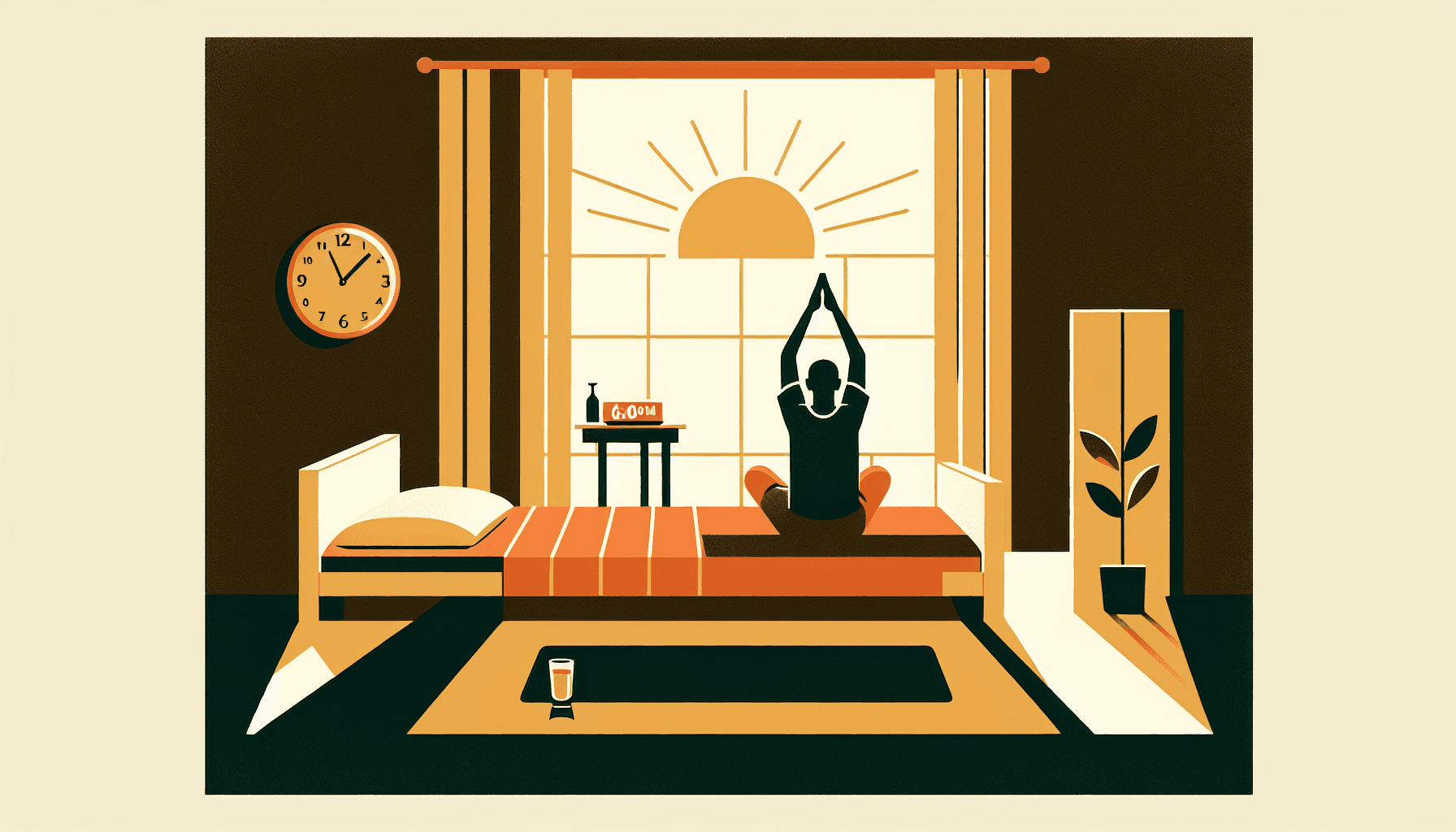
Why mornings matter
The first hour of your day sets the tone for everything that follows. Research from the American Psychological Association shows that willpower is highest in the morning and depletes throughout the day. What you do with that peak mental energy determines your productivity for the next 12 hours.
Yet most people waste their mornings scrolling through notifications, rushing through a chaotic routine, and arriving at work already stressed. The fix is surprisingly simple: put your morning on a timer.
The timed morning routine
A timed morning routine breaks your first hour into intentional blocks. Each block has a specific purpose and a set duration. You move through them without decision fatigue - no wondering what to do next, no losing 20 minutes to Instagram.
Here's a proven structure that takes exactly 60 minutes:
- 5 minutes — Hydrate and stretch (no phone)
- 10 minutes — Meditation or breathing exercise
- 15 minutes — Exercise or movement
- 10 minutes — Shower and get ready
- 10 minutes — Breakfast (seated, no screens)
- 10 minutes — Review your day and set top 3 priorities
The exact times don't matter as much as the structure. Customize the blocks to fit your life, but keep the timer running.
Why timers fix procrastination
Without a timer, "I'll just check my email quickly" turns into 30 minutes of inbox management. A running timer creates accountability. When you see 4 minutes remaining on your meditation block, you stay seated. When the breakfast timer ends, you get up and move to planning.
Timers also eliminate the paradox of choice. Mornings fail when people stand in the kitchen wondering what to do. With a timed routine, every minute is accounted for. You just follow the sequence.
The two-alarm method
Set two alarms: one to wake up and one 60 minutes later to signal the end of your routine. Everything between those alarms is your protected morning time.
The second alarm is actually more important. It creates a deadline. Without it, your morning routine expands to fill whatever time is available - and you end up late.
Use a 60-minute timer starting from when you get out of bed. When it goes off, your morning routine is done and your workday begins.
Common morning mistakes
Checking your phone first. When you check notifications before doing anything else, you hand control of your morning to other people. Their priorities become yours. Keep your phone out of the bedroom, or at least commit to no screens for the first 30 minutes.
Skipping breakfast. Your brain runs on glucose. Skipping breakfast means starting your highest-value work hours with a brain running on empty. Even 10 minutes of eating something nutritious makes a measurable difference in cognitive performance.
No exercise. You don't need a gym session. A 10-minute walk, bodyweight exercises, or yoga flow is enough. Morning movement increases blood flow to the brain, releases endorphins, and improves focus for hours afterward.
Hitting snooze. Every snooze cycle fragments your sleep further. The 9 minutes of half-sleep between alarms actually makes you groggier. Set one alarm at the time you need to wake up and get up when it sounds.
Building the habit
Don't try to overhaul your entire morning overnight. Start with just one timed block and add more over two weeks:
Week 1: Set a 5-minute timer for morning stretching. No phone during those 5 minutes.
Week 2: Add a 10-minute block for breakfast without screens.
Week 3: Add exercise. Even 10 minutes counts.
Week 4: Add the full routine with a 60-minute timer.
By the end of the month, the sequence will feel automatic. You'll stop thinking about whether to do it and just do it.
What the research says
A 2023 study in the Journal of Behavioral Medicine found that people with consistent morning routines reported 27% lower stress levels and 34% higher self-rated productivity compared to those without routines.
The key word is "consistent." It's not about having the perfect morning routine - it's about having one at all and sticking to it. The timer ensures consistency because it turns vague intentions into concrete actions with clear boundaries.
Evening preparation
The best morning routines actually start the night before. Spend 5 minutes each evening preparing:
- Lay out clothes
- Prepare breakfast ingredients
- Write tomorrow's top 3 priorities
- Set your alarm (just one - no snooze)
- Charge your phone outside the bedroom
These small actions eliminate morning decisions and reduce friction. When you wake up, everything is ready. You just start the timer and go.
Try it free
60 minute timer
Builds tools that get used. Founded Timerjoy after a frustrated search for an ad-free online timer. More about the project.