How to stay focused while working from home
The focus problem
Working from home offers freedom, but that freedom comes with a cost: there's no built-in structure forcing you to focus. The fridge is ten steps away. The couch is right there. Nobody is watching.
Studies show that remote workers face 47% more distractions than office workers. But here's the good news - with the right strategies, you can actually be more productive at home than in an office. The key is building your own structure.
Create a dedicated workspace
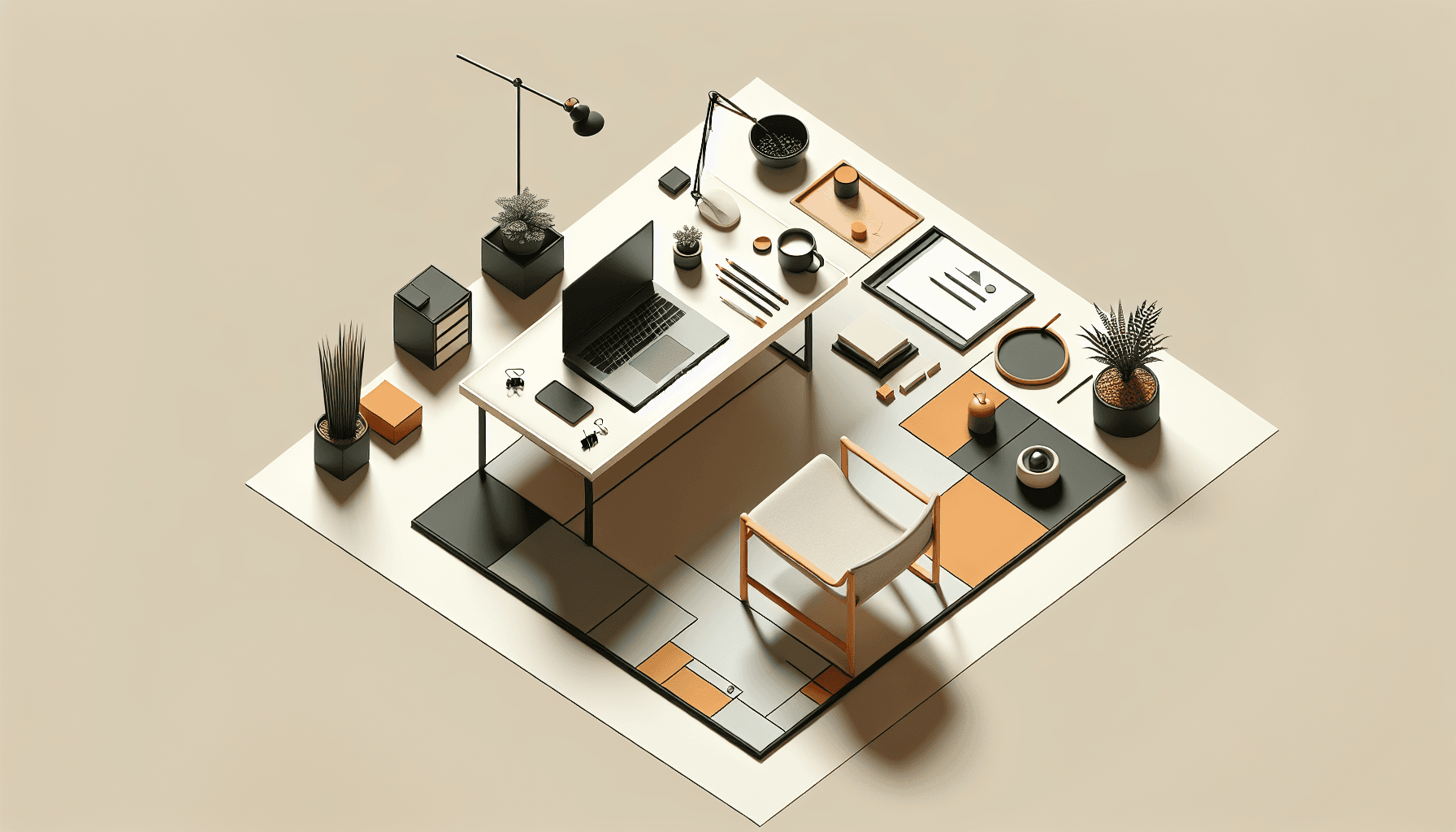
This is the single most impactful change you can make. Your brain associates places with activities. If you work on the couch where you watch TV, your brain gets confused signals.
You don't need a home office. A specific corner of a table works fine. The rule is: when you're at that spot, you're working. When you're done, leave that spot.
Avoid working from bed at all costs. It ruins both your productivity and your sleep quality.
Use time blocks
Instead of a vague "I'll work from 9 to 5," break your day into focused blocks. Each block gets a specific task. Between blocks, take real breaks. This is the time blocking method in action.
A simple structure that works well:
- 9:00–10:30 - Deep work block (hardest task of the day)
- 10:30–10:45 - Break
- 10:45–12:00 - Second work block
- 12:00–13:00 - Lunch (actually step away)
- 13:00–14:30 - Meetings and communication
- 14:30–16:00 - Lighter tasks and admin
- 16:00–16:30 - Planning tomorrow
Notice that deep work comes first, when your energy is highest. Meetings and emails get pushed to the afternoon when focus naturally dips.
The two-minute rule
If something takes less than two minutes, do it immediately. If it takes more, schedule it into a time block. This prevents small tasks from cluttering your mind and breaking your focus on bigger work.
Batch your communication
The biggest focus killer for remote workers is constant communication. Slack messages, emails, and notifications create an environment of perpetual interruption.
Try checking messages at set intervals - every 90 minutes, or at the start and end of each work block. Turn off notifications during deep work. Your colleagues can wait 90 minutes for a response.
If something is truly urgent, people will call you.
Dress the part (sort of)
You don't need to wear a suit. But changing out of pajamas signals to your brain that it's time to work. Even putting on a fresh t-shirt and jeans creates a psychological boundary between "home mode" and "work mode."
Set a hard stop
Without a commute to signal the end of the workday, remote workers often work longer hours without realizing it. This leads to burnout, not better output.
Set an alarm for your end-of-day time. When it rings, save your work, close your laptop, and be done. Protect your evenings the way you protect your mornings.
Use background sound strategically
Complete silence can actually be distracting - you notice every small sound. But noisy environments are worse. Research suggests that moderate ambient noise (around 70 decibels) is optimal for creative work.
Try lo-fi music streams, coffee shop ambient sounds, or white noise. Avoid music with lyrics if you're doing work that involves language.
Move your body
Physical activity is a focus multiplier. A 10-minute walk between work blocks recharges your attention more effectively than scrolling your phone for 30 minutes.
If you can, take meetings while walking. Standing desks help too - alternating between sitting and standing keeps your energy more stable throughout the day.
Track your productive hours
Most people overestimate how much focused work they actually do. Use a timer to track your actual deep work hours for one week. You'll likely find it's 3–4 hours, not 8.
Once you know your baseline, you can gradually improve it. The Pomodoro technique is a great starting point. Even getting from 3 to 5 hours of genuine deep work per day puts you ahead of most people.
Try it free
30 minute timer
Builds tools that get used. Founded Timerjoy after a frustrated search for an ad-free online timer. More about the project.